

 Suomi
Suomi Svenska
 Dansk
Dansk Deutsch
 Polski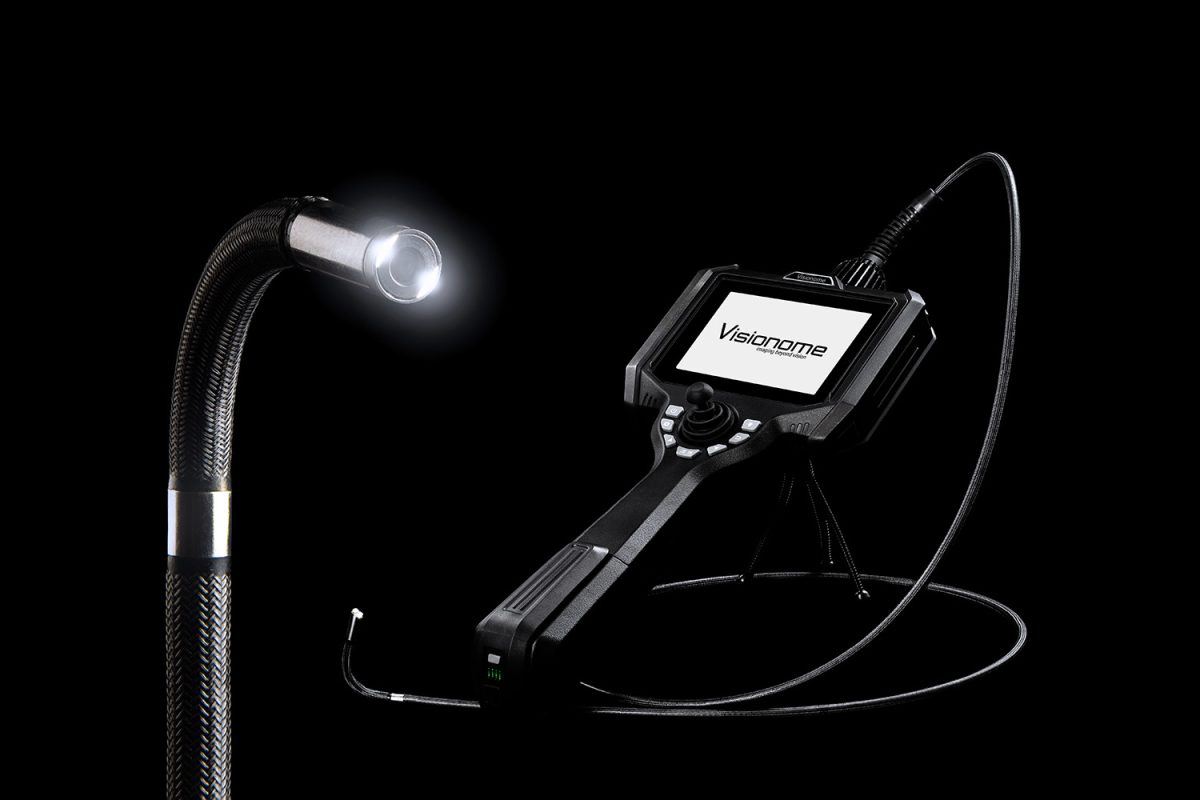
An endoscope is a versatile inspection device that can be used to examine the internal parts of machinery, pipework, structures and other hard-to-reach areas without the need for dismantling. In industry, endoscopes play a vital role in maintenance, quality control and fault diagnosis.
Investing in a high-quality industrial endoscope helps companies reduce maintenance costs, prevent production downtime and improve operational safety. That is why endoscopes are now an essential tool in many industrial sectors.
An industrial endoscope enables inspections without the need for dismantling
In industry, inspecting the condition of equipment and structures is important for safety, quality, and cost-effectiveness. However, many items requiring inspection are located in confined, enclosed, or hard-to-reach spaces. In these situations, an endoscope enables visual inspection without the need to dismantle the structures.
An industrial endoscope is one of the most effective inspection tools used in predictive maintenance, quality control and fault diagnosis.
What is an endoscope?
An endoscope is an optical inspection device that allows one to see inside structures, pipes, machinery and other enclosed spaces. The device usually consists of a camera, a light source and a flexible or rigid probe that can be inserted into the object being inspected through even the smallest of openings.
Modern video endoscopes and industrial endoscopes provide high-resolution images, recording capabilities and, in some models, measurement functions as well. This enables precise observations to be made without the need to dismantle production lines or equipment.
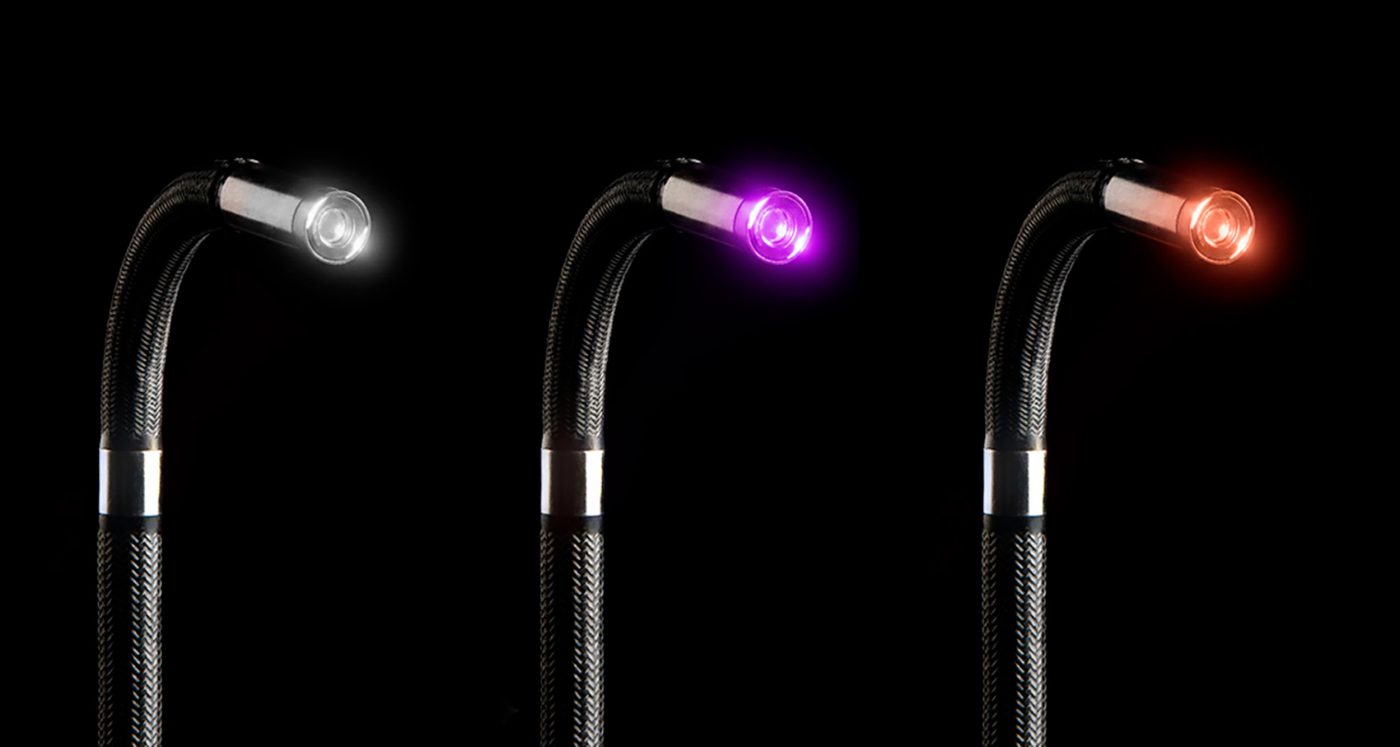
It is also possible to select different light sources for endoscopes, depending on the requirements of the application. For example, the Visionome FlexLumen B model can be fitted with UV or infrared light in addition to conventional white light, which broadens its range of applications in various types of inspections.
What are endoscopes used for in industry?
Inspections of machinery and equipment
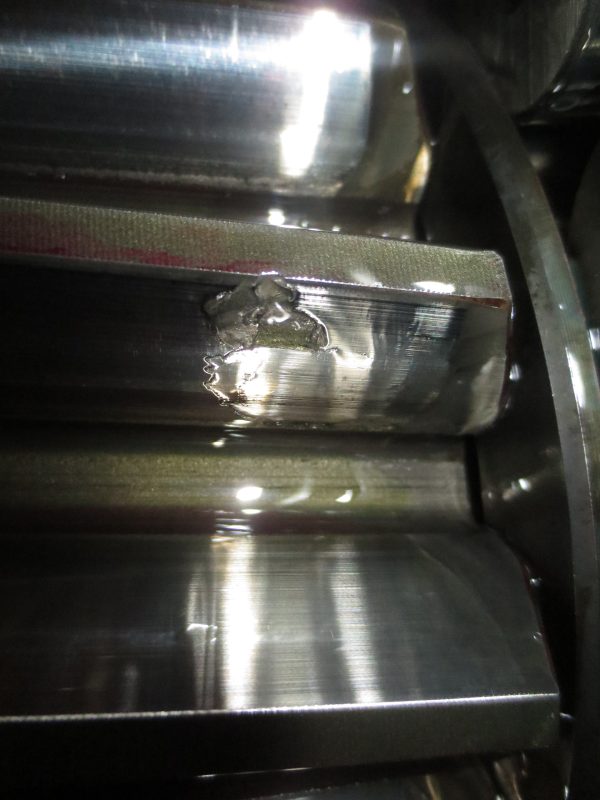
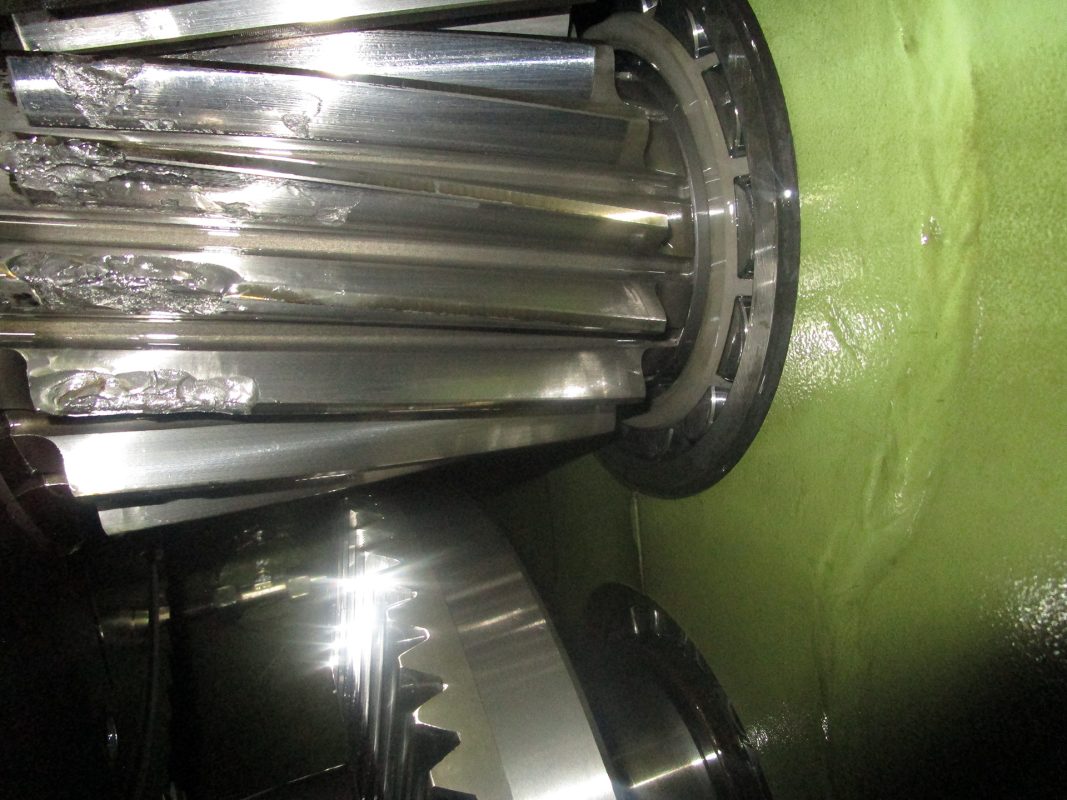
Endoscopes are widely used to inspect the internal components of industrial machinery. For example, gearboxes, motors, pumps and compressors can be inspected quickly without the need for extensive dismantling. Early detection of faults helps to prevent costly production downtime.
Inspections may reveal, amongst other things:
• wear and tear
• cracks
• corrosion
• foreign objects
• lubrication problems
Inspection of pipework and tanks
In the process industry, monitoring the condition of pipework is important. An endoscope can be used to inspect the internal surfaces of pipes and detect, for example, blockages, corrosion or welding defects. Internal inspections of tanks, heat exchangers and pressure vessels can also be carried out efficiently without the need for extensive dismantling.
Quality control in production
In the manufacturing industry, endoscopes are used to inspect the quality of products and components. The camera can be used, for example, to inspect the internal structures of castings, welded joints and machined parts. Rigorous quality control reduces complaints and ensures that products meet the required quality standards.
The aviation and automotive industries
In the aviation industry, endoscopes play a vital role in the maintenance of aircraft engines. Inspections can be carried out without having to completely dismantle the engine, which saves a significant amount of time and money. In the automotive industry, too, endoscopes are used to inspect engines, cylinders, exhaust systems and other hard-to-reach components.
Inspections of buildings and infrastructure
Endoscopes are also suitable for inspecting building structures. They can be used to inspect, for example:
• ventilation ducts
• wall structures
• cabling
• drainage pipes
• the structures of bridges and other infrastructure assets
This makes it possible to locate damage without having to carry out extensive structural openings.
The main benefits of an endoscope
The use of an industrial endoscope offers a number of advantages:
- Saves time and money. Inspections can be carried out quickly without the need to dismantle machinery or structures.
- Reduces downtime. Downtime for production equipment is reduced when inspections can be carried out efficiently.
- Improves safety. Inspections can be carried out at hazardous or hard-to-reach locations without exposing staff to risks.
- Supports predictive maintenance. Latent faults can be detected before serious breakdowns occur.
- Documentation and reporting. Images and videos can be saved for later analysis, reporting and comparison.